Peter Gabriel, Passion

A landmark collaboration with a seemingly inexhaustible parade of master musicians creates one of the strongest offerings in Gabriel’s catalog.

Album of the Week, June 6, 2026

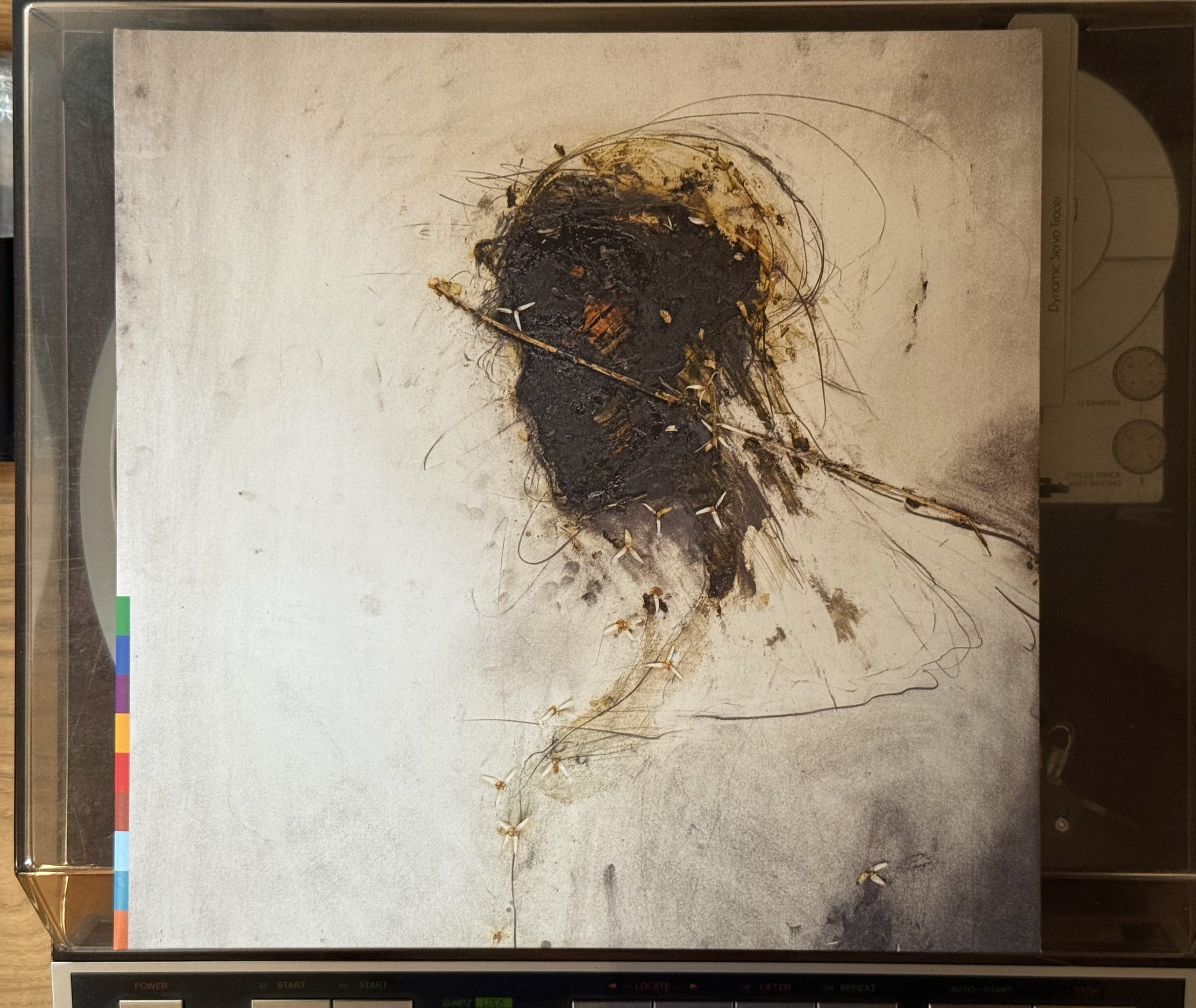
Peter Gabriel spent the months following So touring the world; the concert film Live in Athens gives a good idea of what that experience was like. But he was still writing music, and the next thing that came from him was a one-two punch: a soundtrack album to the most controversial film of the late 1980s, and a brand new record label to release it. And Peter being Peter, he released the album in June 1989, almost a full nine months after the theatrical release of the film that inspired it.

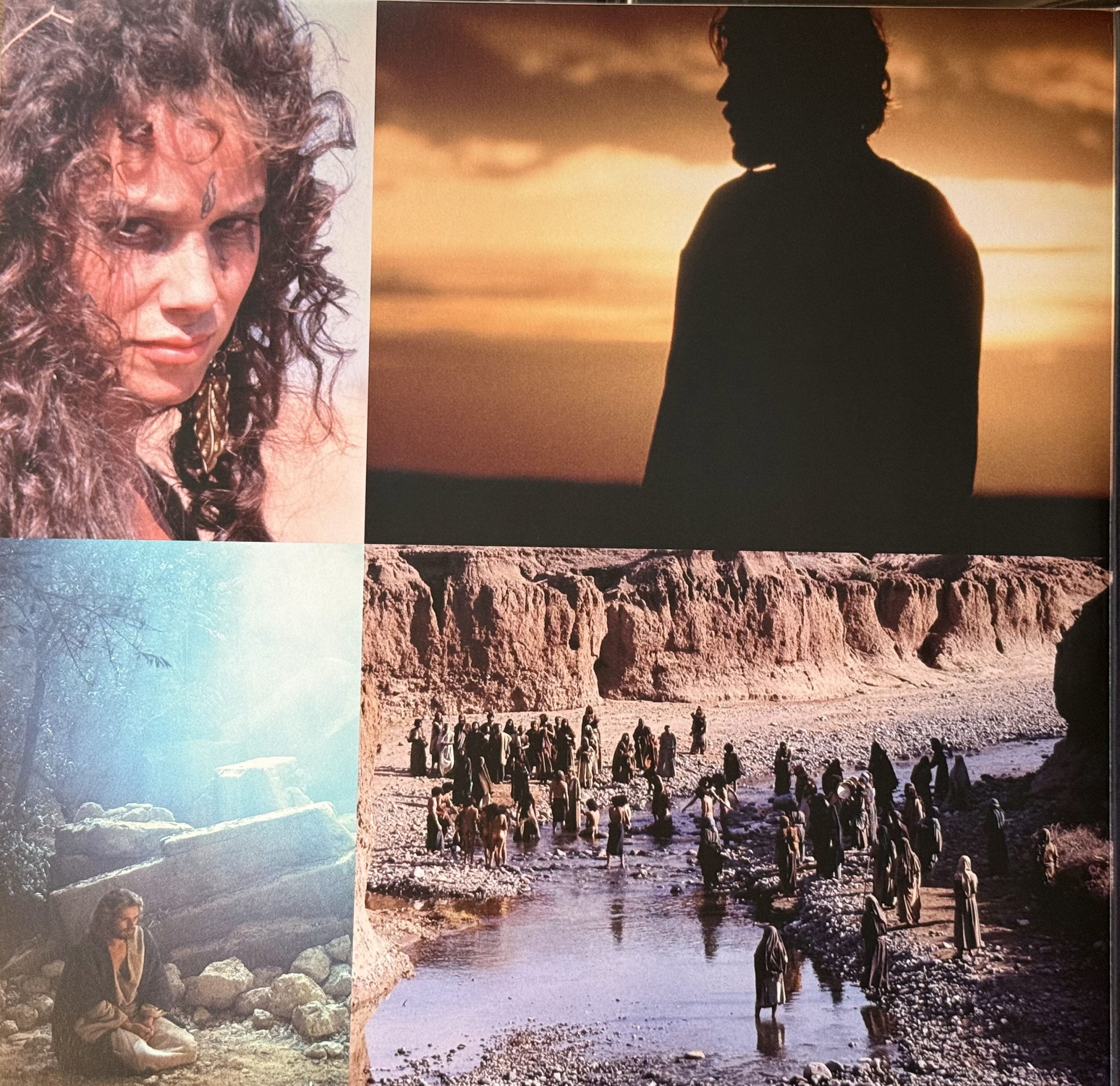
The energy that today animates reactionary groups like the Promise Keepers and Christian Nationalist groups was alive and well in the 1980s, in the form of groups like the Moral Majority, TV evangelist fans, and other similar gatherings of extremists. They weren’t happy with Martin Scorsese’s film (though few formed an opinion informed by actually having seen it), which dared to imagine that Jesus might have been human enough to have been tempted by the possibility of family life into abandoning his mission; the idea that Jesus might have in particular entertained sexual thoughts was particularly threatening.1 Some of those who felt so threatened lost the plot badly enough that they firebombed cinemas and made death threats against Scorsese. Plus ça change, plus c’est la même chose

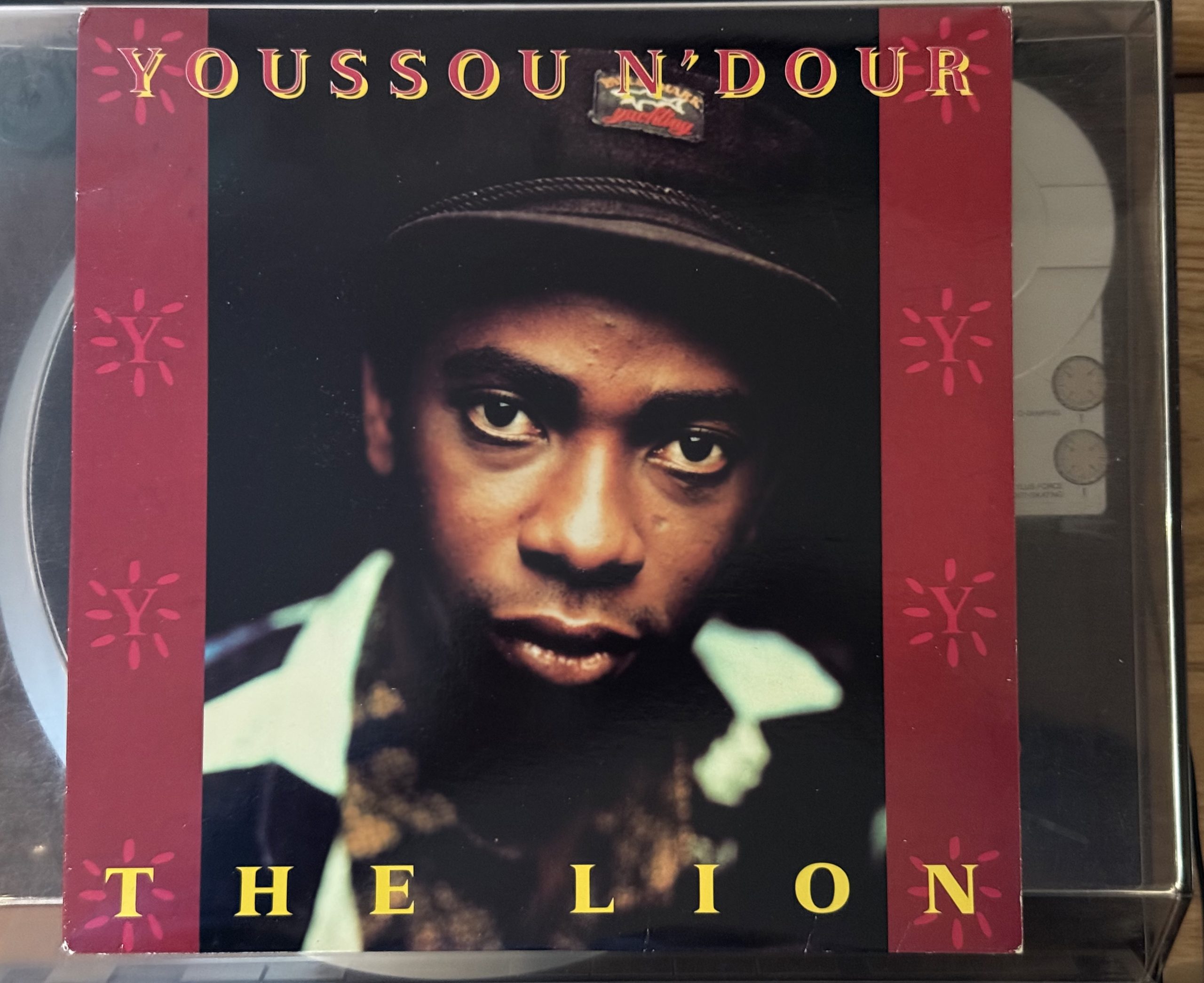
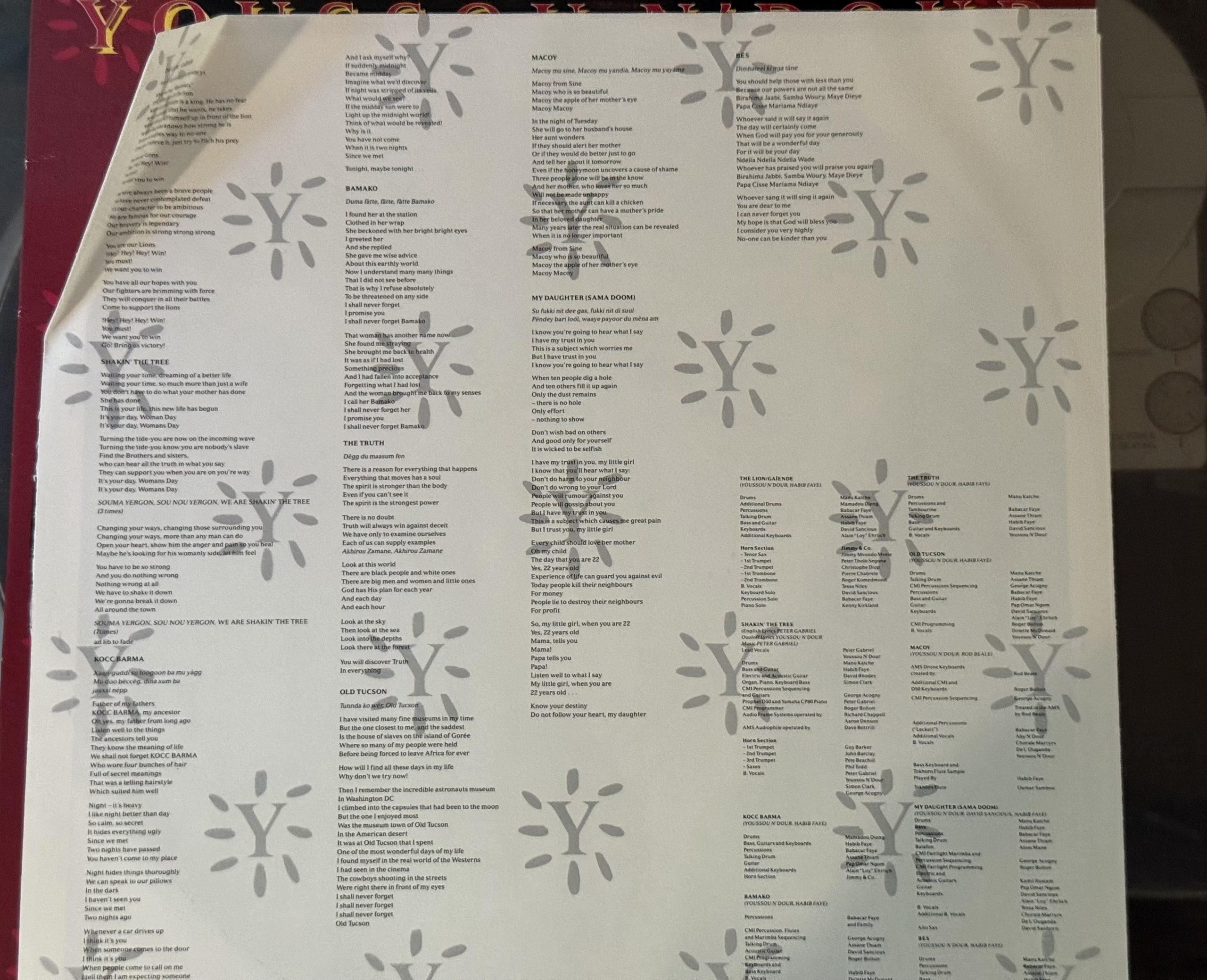
Gabriel seems to have escaped the threats, possibly because his album came out so much later than the movie’s release and the height of the controversy. Though a version of the music appears in the film, he kept working on it, trying to find the right sounds and textures, through March of 1989. And, thanks to his ongoing work with WOMAD and his previous collaborations, he had the right musicians to work with, many of whom would go on to release albums of their own on his new label, Real World Records. The list was long and included Egyptian percussionist Hossam Ramzy; Indian violinist L. Shankar; Senegalese vocalists Baaba Maal and Youssou N’Dour; Pakistani qawwali singer Nusrat Fateh Ali Khan; Senegalese drummer Doudou N’Daiye Rose; percussionists and string players Massamba Diop, Mahmoud Tabrizi Zadeh, and Fatala; Turkish ney flute master Kudsi Erguner; Brazilian percussionist Djalma Corrêa; Americans Jon Hassell, David Sancious, Billy Cobham, Nathan East and Manny Elias; and Peter’s long-term collaborators David Rhodes and David Bottrill.

All that said, the most notable music performance on the first track is a sample. “The Feeling Begins” opens with a traditional Armenian melody played on doudouks by Vatche Housepian and Antranik Askarian, from a collection of traditional Armenian music released on Ocora Records years before. The doudouk melody forms the backbone of the arrangement, but the massive percussion attack from Manny Elias with Hossam Ramzy is also fairly magnificent and provides our first clue that we’re in for a genre-bending ride throughout the album. As the doudouk melody comes to an end, the drums roar in a crescendo, using the same trick that Peter so memorably deployed in “The Rhythm of the Heat.”

One thing I discovered as a teenager listening to this album (I bought it the first summer I ever lived for myself, during a monthlong science Governor’s School experience at Virginia Tech, so I listened to it a lot) was that I was less engaged by the tracks that featured fewer live instruments. “Gethsemane” is one of those tracks, constructed by Gabriel from samples of flute and voices. But it’s appropriately ominous and ghostly, and does the job of foreshadowing that it’s meant to do.

It’s followed by one of the more spectacular sequences on the album. “Of These, Hope” opens with a fanfare of sorts on the arghul, an ancient reed instrument that here contributes a swirl of crowd noise over an insistent talking drum courtesy of Massamba Diop. Peter has said of So that the groove was the thing that made that album so special; “Of These, Hope” is a classical composition with groove. It also has strong textural interest thanks to the arghul, and from the combination of drone, flute whistle, talking drum, guitar and synths. This leads into “Lazarus Raised” without break via an anticipatory shiver of synths as another doudouk sample — this time an uncredited Kurdish player from a UNESCO collection — gives us a mysterious melody signifying the expression of power leading to the raising of Lazarus from the dead. Peter’s flute whistle leads us into “Of These, Hope (Reprise),” which plays like a further elaboration of the melody. It misses the shock and awe of the arghul chorus from the first repetition, but gains a different sort of shock and awe thanks to the presence of Baaba Maal, a Senegalese vocalist whose speciality was the traditional music of the Pulaar-speaking peoples of the Futa Tooro region of Senegal.

In Doubt” is another synth-forward groove, given depth by the uncanny sound of the kementché, an Iranian bowed string instrument here played by Mahmoud Tabrizi Zadeh. Peter doesn’t let this groove build for very long before a bigger one takes over , a massive percussion onslaught from Doudou N’Daiye Rose and Fatala signals the arrival of “A Different Drum.” I can almost hear Peter telling Geffen Records, “This is the single.” Between the strong rhythmic intensity, the insistently repetitive melodic theme, the wordless chorus, and above all the presence of the spectacular voice of Youssou N’Dour, this is one of the most accessible and memorable tracks on the album. It has the feeling of one of Peter’s songs-in-progress that never received a proper lyric, but the feeling is there, a stirringly heroic track.

What did get life as an independent single, somewhat surprisingly, is the next track,“Zaar.” A complex track built around a slowed- and pitched-down drum sample, the band, here featuring Hossam Ramzy on percussion, Mahmoud Tabrizi Zadeh‘s kementché, wordless vocals, and an intense series of interjections from L. Shankar’s violin, constructs a striking mood piece whose free interchange of musical ideas and sounds seems to sum up the whole project. “Zaar” was the track Peter chose to represent this project on his first greatest hits album, which would be released two years later, and it feels like a universe of its own.

Troubled” is built around a mean groove built out of layered drums and percussion, all played by the great Billy Cobham. After we heard him on Champions and on a whole slew of CTI albums, Cobham joined John McLaughlin’s legendary jazz-world-fusion project Mahavishnu Orchestra, and it’s that polyrhythmic intensity that he brings here over a backing of snarling synths and a wordless vocals chorus loop. “Open” breathes more freely, a duet between Peter on the Prophet and Akai S900 and vocals, and L. Shankar’s violin and vocals. It suspends time and, with the echoes of ragas in Shankar’s improvisation, lends an unexpected emotional resonance to the simple melody Concluding the trio of pieces, “Before Night Falls” is a three-way collaboration between Hossam Ramzy, Shankar, and the great Turkish Sufi ney flute legend Kudsi Erguner, with added depth courtesy of one of engineer David Bottrill’s legendary drones. The plaintive melody and fade-out lend the feeling of a sunset over the gates of a desert city.

We leave groove behind for more traditional composition with “With This Love,” a haunting melody played by Robin Canter on the cor Anglais. The melody is gorgeous but the layers of synths detract somewhat from the emotional power of the work. The theme bookends a trio of pieces dealing with the actual crucifixion of Christ, starting with “Sandstorm,” in which Hossam Ramzy, Mahmoud Tabrizi Zadeh, Manu Katché and Shankar build an atmospheric groove over a location recording of Moroccan percussion and vocals. The synths add a blurriness to the overall effect, so when the Moroccan musicians cut through it’s startling and intense.

Stigmata” is a joint improvisation by Mahmoud Tabrizi Zadeh, Shankar and Gabriel. The instrumental texture is deep and mysterious, but ultimately the tension ebbs away into the fade-out before “Passion.” The redoubtable Shankar, Jon Hassel, and Peter’s Fairlight are the supporting players here for the astonishing vocal improvisations of Youssou N’Dour and Nusrat Fateh Ali Khan, here signifying the suffering of Christ on the cross. Here there is no ebbing of intensity; Nusrat masterfully builds suspense through his sangam improvisation, as Youssou’s interjections cut through to intensify the emotional impact. A devastatingly pure high melody from choirboy Julian Wilkins2 punctuates the rising emotional tide. At the end, everything cuts away but Youssou’s cries and Djalma Corrêa’s percussion.

The choral reprise of “With This Love” is introduced by the cor Anglais melody, but Gabriel wisely leaves the Wells Cathedral Boys Choir (recorded by Richard Evans) totally unaccompanied as they perform a heartwrenching four-part arrangement of the melody. The acoustic of the performance space can be heard—there’s an audible footfall or noise at one point that sounds a bit as though someone has stepped onto an echoing stone floor in one of the transepts and been hastily waved away—adding to the overall timeless resonance of the moment. It’s one of the most stunningly beautiful musical expressions on an album full of remarkable sounds. It’s also one of the most fraught; originally intended to accompany the scene where a devil in the form of a little girl tells Christ that he doesn’t have to suffer, removes the nails from his body, and leads him off the cross, it was nixed from the final film. Scorsese pointed out that the use of a Christian religious signifier like a boys’ choir would further underscore the blasphemy of the moment and pour fuel on the outrage that was already mounting even before the film was released.

Wall of Breath” leads us into uncertain territory as Christ is tempted to abandon his destiny, with Kudsi Erguner, Shankar, and the Musicians du Nil building an atmosphere based around a shifting tonality. “The Promise of Shadows” takes us to a dark place with Billy Cobham’s drums and a rising chorus contributing to the feeling that something isn’t right. Despite the title, “Disturbed” seems to lead us into a brighter moment, as Shankar’s violin introduces an intense percussion groove built up from Hossam Ramzy’s tabla, African percussion from Fatala, and looped percussion from Mustafa Abdel Aziz and Said Mohammad Aly. Peter’s Prophet and Fairlight provide a simple melodic line to anchor the groove as the percussion fades out.

It Is Accomplished” is signaled by a fanfare on the arghul followed by an uncanny shimmer of a vocal yell (uncredited on the album, the original location recording has surfaced which is amazing to listen to on its own. You can hear it in one of my Exfiltration Radio mixes). A triumphant melody built around a simple descending four-note pattern gains depth from Billy Cobham’s drumming, David Rhodes’ guitar, and David Sancious’s Hammond organ as the music celebrates Christ overcoming his last temptation and fulfilling his mission. “Bread and Wine” builds a new melody from the echoes of the old, creating something new in remembrance courtesy of a tin whistle performance by Richard Evans.

I cannot overstate the role this album played in furthering my personal musical development and encouraging me to listen to the world with open ears. And Passion marks a significant moment in Peter’s career, as a culmination of his work with WOMAD during the 1980s and a seamless blending of his explorations of synth textures with collaborative compositions from some of the finest non-Western musicians of the moment. It earned a Grammy Award for Best New Age Album3, and helped to further popularize “world music” as a genre in its own right.

It also helped create a vehicle to fuel the demand; as the first release on Gabriel’s new Real World label, it included advertisements for a series of individual recordings from many of the musicians on the record, plus more of Gabriel’s WOMAD collaborators. Real World is still going strong and has reissued many of those pivotal early recordings, some appearing on vinyl for the first time; we’ll check in on those, among other things, starting next week.

You can listen to this week’s album here:

BONUS: This 2021 performance by the Francesco Albano Open Ensemble of the Passion score is impressive. With all the layers in the original recording, it’s hard to imagine someone pulling off one of the songs live; to do the entire thing in a single concert is kind of mind-blowing.

BONUS BONUS: Speaking of live performances, Peter performed “Of These, Hope” live at the 1988 WOMAD Festival in St. Austell, with Nusrat Fateh Ali Khan and Youssou N’Dour. Sadly there’s no video but the audio in this bootleg clip isn’t half bad:

Footnotes

  1. It’s a good thing he didn’t imagine himself dancing. ↩︎
  2. Wilkins is now the conductor of the City of Birmingham Symphony Orchestra’s Youth Chorus. ↩︎
  3. Proof positive that this was something new, as the album bears as much resemblance to “New Age” music as it does to Metal Machine Music. ↩︎

Peter Gabriel, Big Time

Peter’s singles provide a good excuse to linger in the world of “So” a little longer.

Album of the Week, May 23, 2026

The album cycle for Peter Gabriel’s So went on for quite a while. The first single, “Sledgehammer,” hit the streets on April 14, 1986, about a month before the album was released. There followed “In Your Eyes” in August, “Don’t Give Up” in October, “Big Time” in March 1987 and “Red Rain” in June.1 That’s a lot of releases, and by extension a lot of opportunities for B-sides.

I love B-sides.2 They’re a glimpse of what else was happening when the album was recorded (or, sometimes, some other album, as we’ll see today). Sometimes they illustrate where else a song could go. And sometimes they’re just dance mixes. And the great thing about there being huge markets for pop music in both the US and the UK is that sometimes you got completely different B-sides!

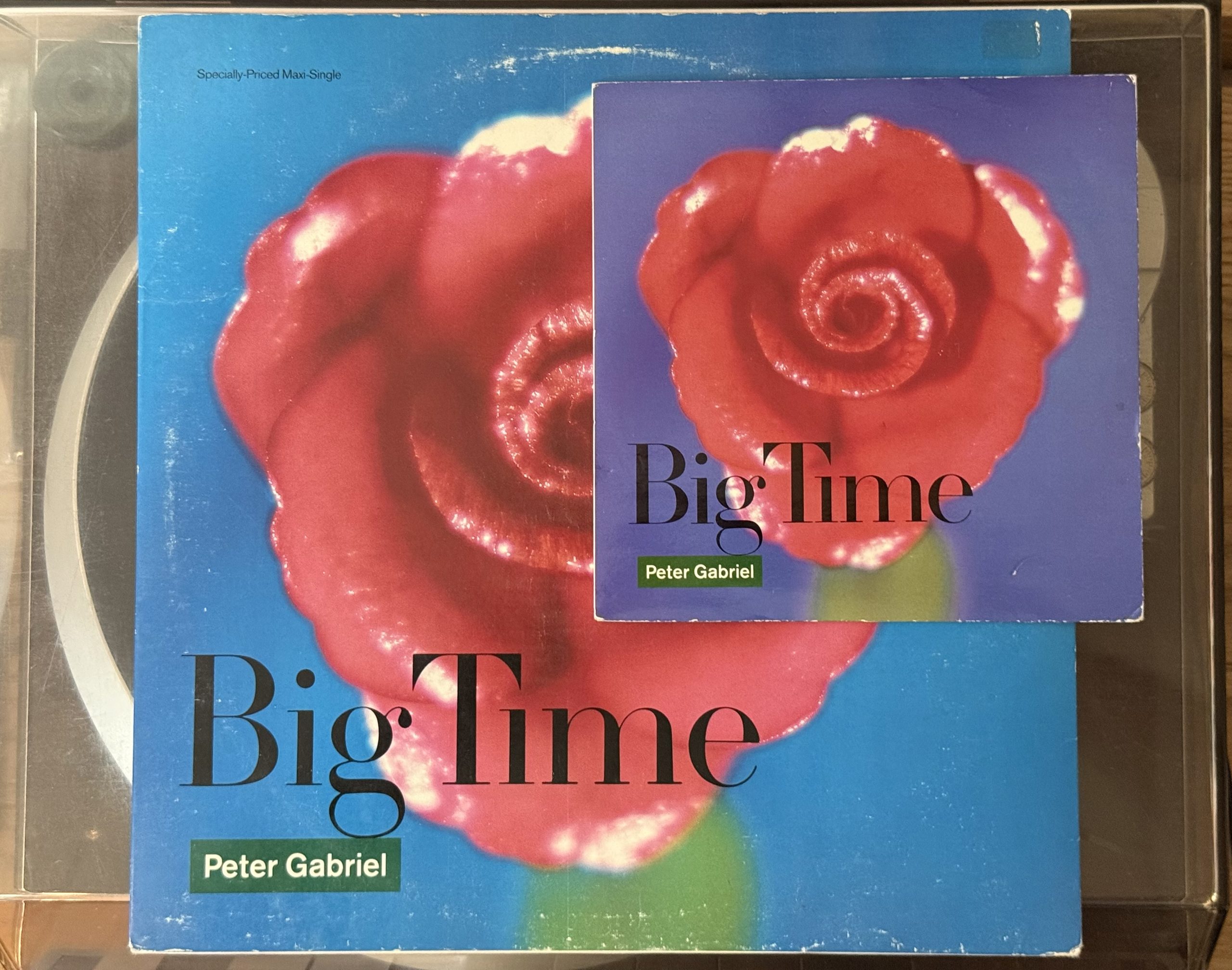
If the above discursion and the picture have led you to think that I’m using these facts to just talk about a bunch of Peter Gabriel rarities, you would be correct. I’m going to pull from three different releases of “Big Time”: the 12″ US single, the 7″ UK release, and the CD maxi-single, which is the one that I first owned back in the day. (Shhh.)

The 12″ opens with “Big Time (dance mix),” which is what it says on the tin. It’s mixed by Tom Lord-Alge, a recording engineer who had previously crossed paths with Peter on “No More Apartheid” on the Sun City compilation, and who had also engineered or mixed for the Force MDs, Jeff Beck, Southside Johnny and the Asbury Jukes, David Johansen, Sly Fox, Steve Winwood’s Back in the High Life, OMD’s “If You Leave,” and Billy Crystal’s “You Look Marvelous.” This cavalcade of 1980s sounds perhaps explains the low-end drum machine and handclaps that get spliced onto the beginning of the track. I do love the way that he pulls out and isolates Tony Levin (and Jerry Marotta)’s bass line at the beginning though, as well as letting us hear the nasty (in a good way) David Rhodes guitar riff without vocals over it. The verses are largely untouched—a little extra echo here, an extra-80s guitar in the texture there—but the chorus gets a spacey reinforcement on the backing vocals that’s almost dublike. This is kicked into high gear after the second verse, where it’s just backing vocals, drum machine, and Peter going “huh!” for about 30 seconds. As dance mixes go it’s relatively harmless but also fairly unimaginative.

In Your Eyes (special mix)” is an entirely different story. Produced by Bill Laswell and mixed by Jason Corsaro, the mix shuffles the key bits of the original recording, but also adds an entirely new opening featuring Peter singing over a low synth note, chiming thirds and fourths, and a hi-hat heartbeat: “Accepting all I’ve done and said / I want to stand and stare again / Til there’s nothing left out / All that remains there in your eyes.” The intro is punctuated by a brilliant vocal run by Youssou N’Dour, then the brilliant Ronnie Bright bass vocal. Youssou sings a bit in Wolof: “Sa bet chi lamp, chi tangaay, sa bet maangi ci biir,” meaning “Your eyes are lit, your eyes are bright, it’s in your eyes.” And then, when we think we’re going to get the verse, there’s instead an extended meditation with talking drums and synths, with more incredible Wolof vocals from Youssou and some vocalese from Peter. The chorus finally joins with even more Youssou vocals atop it. There’s an extended reverbful talking drum break, reminding us that Laswell has always been the king of dub. Somehow the complete absence of the verse pulls me into a trance listening to this mix—or maybe that’s just Youssou. This is a masterful mix and still holds up incredibly well, which is why it featured on one of my playlists years later. The twelve-inch single finishes with the album version of “We Do What We’re Told.”

The UK 7″ single, on the other hand, has a single B-side, “Curtains.” The composition here is reminiscent of Peter’s work on Birdy, but with more space around the edges. There’s an extended bit that is just a heartbeat of a talking drum with a tiny whoosh of a cymbal brush, and a panoply of synth textures giving the effect of opening doors, echoing caverns, distant bells, all leading to Peter’s vocals: “Oh, draw the blinds / we can shut out the night.” This is the most erotically direct of his love songs to this point, but even here love is filled with ambiguity and tinged with regret: “And there are lions on our curtains / They lick their wounds / They lick their doubt.” It’s a stunning miniature of a song, and I can only imagine what might have gone through the heads of the casual buyers of the single in 1987 when they flipped it over and listened to it.

“Curtains” also appears on the Big Time CD maxi-single, alongside the album version of “No Self Control.” It’s rounded out by “Across the River,” which was used as a mood-setting opener for the original 1982 WOMAD festival and which was recorded in the studio for the WOMAD benefit Music and Rhythm. It begins as an improvisation by Shankar and Peter, joined by David Rhodes, and then a thundering drum part from Stewart Copeland enters. I’ve always been captivated by the combinations of sounds, particularly the low notes from Shankar’s instrument (not a traditional Western violin), and have long wondered what a full album of collective improvisation from a group like this might have sounded like.

The relatively long period of time between Security and So, combined with Peter’s collaborations in WOMAD and with others, combined to make the experience of following the various offshoots from the album a rich musical journey. We’re going to continue following some of those connections for … well, for a while. Next week we’ll pick back up with one of those collaborators and listen to a unique live album.

BONUS: Peter brought “Across the River” back for his “Secret World Live” tour in the 1990s, with Shankar:

BONUS BONUS: A version of “Curtains” with extended vocals appears in the video game Myst IV, though I’m unsure if these were newly recorded or just an alternate take. Here’s a playthrough video showing the song in context:

Footnotes

  1. Making this the only Peter Gabriel album with a singles-to-non-singles ratio of greater than 2 to 1, regardless of whether you count the LP track listing with eight tracks or the CD with nine. ↩︎
  2. I don’t know if I have to spell this out after four years of writing about vinyl records, but just in case: songs played on the radio used to come on 7″ vinyl records that were played at a faster speed (45RPM rather than 33 1/3). The faster playback speed meant the grooves could be cut deeper for better dynamic range. The records had two sides: the A-side, aka the actual single, and the B-side, which was usually whatever the artist or the label felt like putting on there. ↩︎

Peter Gabriel, So

The bestselling 1986 album seamlessly melds art and pop and marks Peter’s transition to a top tier star.

Album of the Week, May 16, 2026

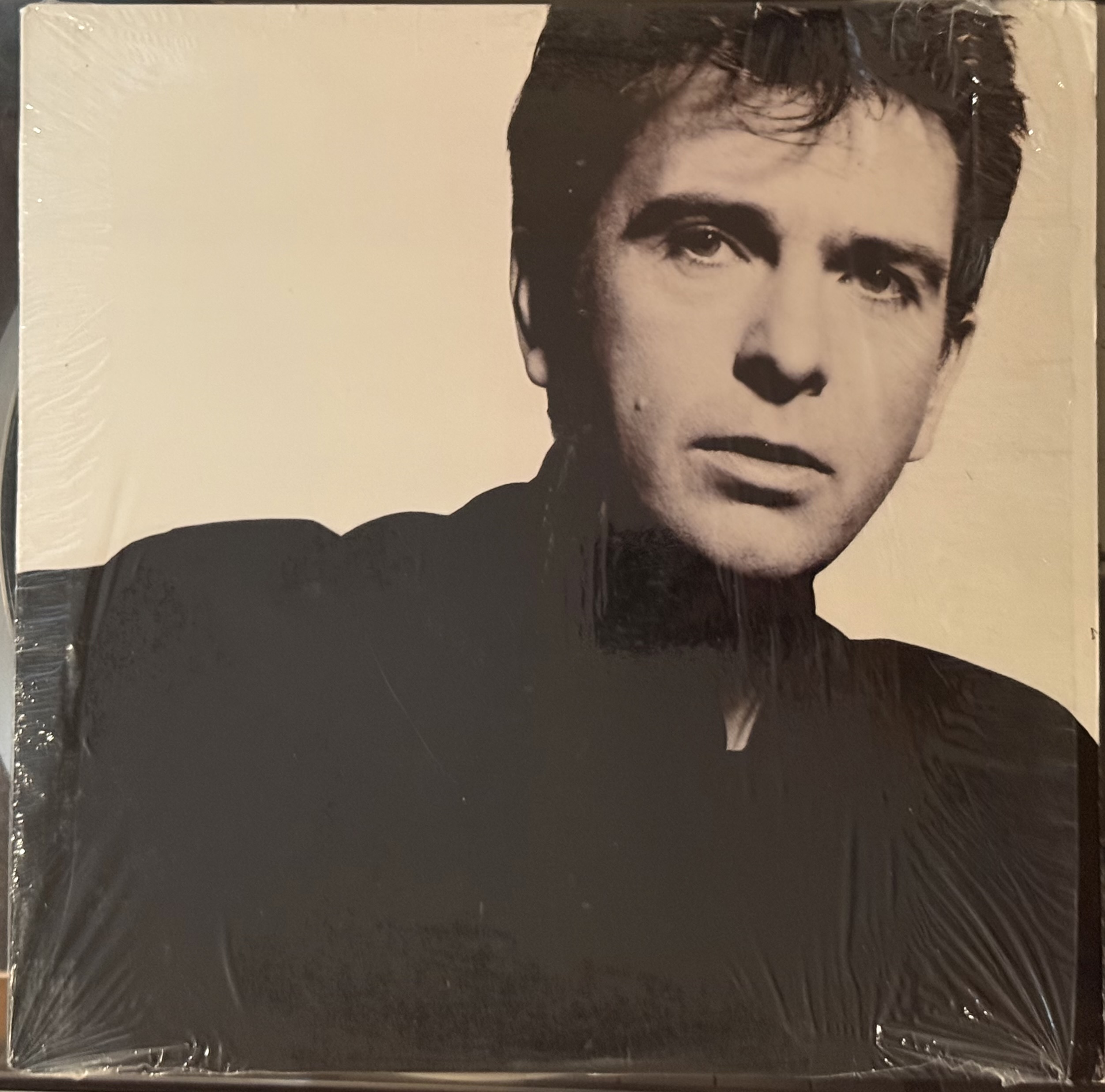
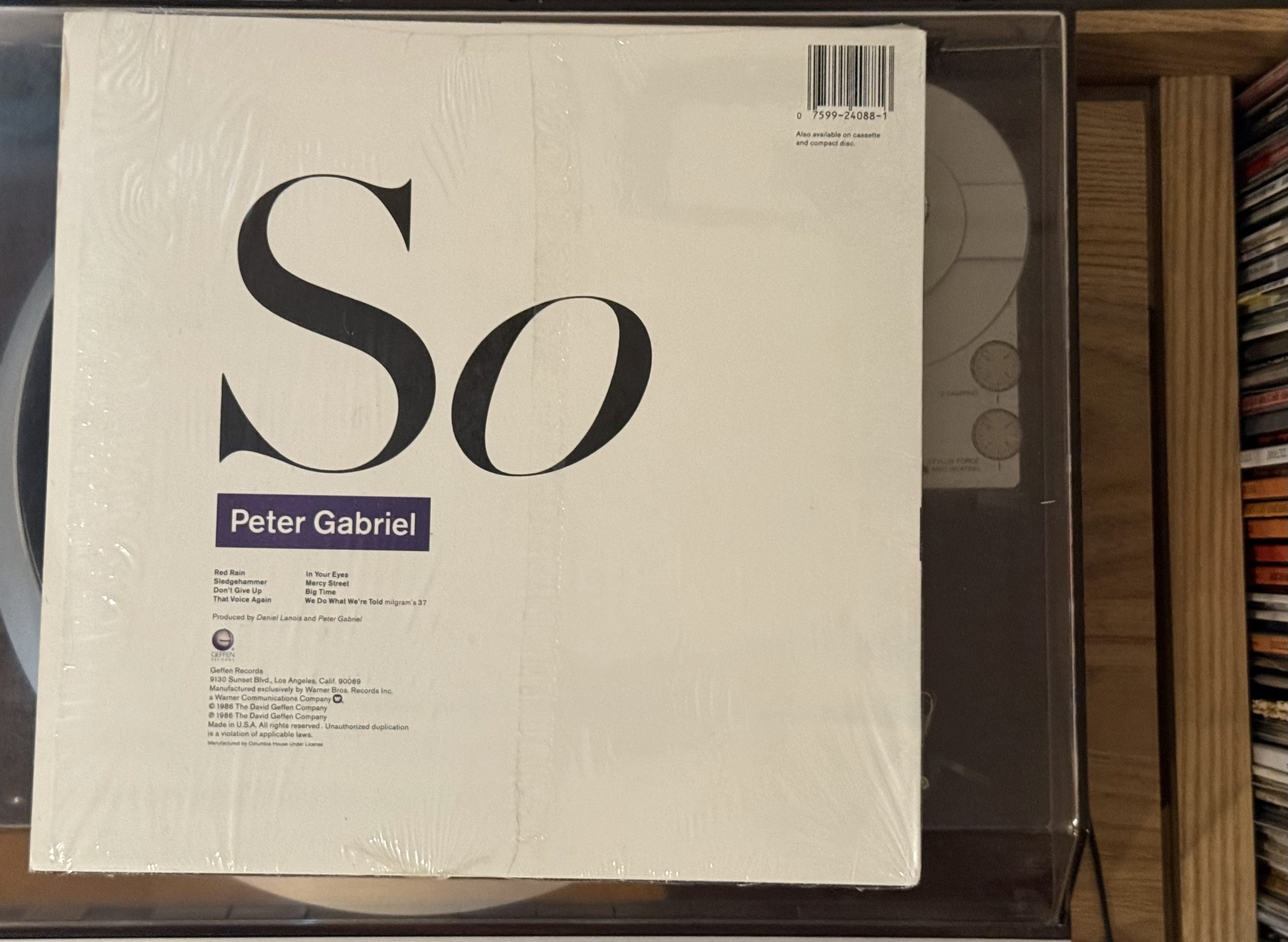
It’s a challenge to approach an album like So. Easily Peter Gabriel’s most popular album, arguably one of the most talked about and best albums of the 1980s, and it’s not like it’s obscure. But, like the songs themselves, the album is made of layers upon layers, and that’s where our tale begins.

In fact, let’s begin at the beginning. Following the 1982 release of Security and the subsequent tour, you’d be forgiven for thinking that Peter took some time off, save for the soundtrack to Alan Paton’s film Birdy. In fact, he was recording the whole time. The years 1983–1985 were surprisingly fertile given that there was no official album released. In fact, there’s a rich batch of soundtrack appearances from this period, as well as non-album studio tracks: “Walk Through the Fire” (from Against All Odds),1 the studio version of “I Go Swimming,” “Across the River” (a collaboration with Indian violinist L. Shankar and Stewart Copeland), his song “No More Apartheid” from the 1985 Sun City compilation, and of course “Out Out,” Peter’s contribution to the Gremlins soundtrack.2 Unfortunately, around this time Peter’s long-term UK label, Charisma, was being acquired by Virgin Records. Ultimately the acquisition settled out and Charisma/Virgin continued to release Peter’s albums in the UK while Geffen handled releases in the rest of the world, but in the dust of the acquisition some of the wind went out of the sails of a new album.

But his creative juices were still flowing. So in February of 1985 Peter retreated to the recording studio at Ashcombe House, where he had recorded since 1978, and began laying down tracks. He considered working with a number of producers for the album, including Bill Laswell (whom he had crossed paths with in the making of the Laurie Anderson collaboration “Excellent Birds”) and Nile Rodgers, but ultimately decided to stick with Daniel Lanois, his collaborator from Birdy. It would prove a fruitful choice; not only was Lanois an expert in producing the combination of organic and atmospheric sounds that Peter was striving to produce, but he was also surprisingly adept at forcing the famously digressive Peter to finish work. My favorite anecdote: at one point Lanois resorted to locking Peter inside the studio so that he would finish a vocal. Peter wrote the core tracks of the songs with Lanois and guitarist David Rhodes from sketches that he produced using the Prophet-5 polyphonic synthesizer or his Yamaha piano, along with a Linn drum machine. Using this method, Peter built songs up from melodic ideas with nonsense vocal syllables to fully fledged songs, having the trio improvise with his rough demos in their headphones, bouncing the trio recordings into the headphones to bring in the larger band, and so on.

The larger band was built around familiar collaborators—Tony Levin, Jerry Marotta—and French drummer Manu Katché (who would follow this session with Sting’s …Nothing Like the Sun). A host of others would make appearances on the album, most on one or two tracks: Chris Hughes, fresh off producing Tears for Fears’ Songs from the Big Chair; Copeland; Shankar; trumpeter Wayne Jackson from the Stax Records backing band the Bar-Keys; saxophonist Mark Rivera from Billy Joel’s band; pianist Richard Tee, whom we’ve previously seen playing with Hubert Laws and Ron Carter on CTI Records; and guest vocalists Laurie Anderson, Kate Bush, and Youssou N’Dour. The last was a superstar in his native Senegal, but was yet to break out in the consciousness of the broader world; that was about to change.

Red Rain” opens the album on a massive note, with an indelible riff on the hi-hat from Stewart Copeland and an echo of a keyboard line, then a massive chord through which Tony Levin’s indelible bass snakes. Peter’s apocalyptic lyrics sing of a dream of a rain that covers all those around, imagery that dates back to some of his earliest writings; in fact, the image is the one of the last remnants of the Mozo mythology that had previously informed “Down the Dolce Vita,” “Here Comes the Flood,” and “On the Air.” But Mozo aside, the song also features some deeply personal writing. His marriage to Jill Moore was falling apart—strained by his touring, she was unfaithful, and the resulting divorce sent Peter into a deep depression and to six years of therapy. It’s hard not to read lines like “I come to you, defenses down / with the trust of a child” and “Red rain is coming down all over me / I’m begging you” knowing this context without thinking of metaphors for accusations and retribution.

From the sublime to … “Sledgehammer,” easily Gabriel’s most-remembered song, thanks in no small measure to its innovative Claymation video and unsubtle but good-natured phallic imagery, as well as to the horn section, a first for a Gabriel album. Peter has explicitly called out the song as an homage to Stax-Volt soul singles, an early source of musical inspiration for him, to the point that he asked Wayne Jackson, who as a member of the Mar-Keys played behind Peter’s hero Otis Redding, to assemble the horns for the track, which included Rivera and trombonist Don Mikkelsen, who had played with Ann-Margret and in Louie Bellson’s band. There’s what sounds like a Hammond B-3 organ on the track, which is actually played on Peter’s Prophet-5 synthesizer, and a weird synthetic flute sound, which Peter plays on the E-mu Emulator II, a sampling synthesizer beloved by acts as diverse as Stevie Wonder, Belgian electronic band Front 242, Depeche Mode, and the Pet Shop Boys. The track is tremendous fun, thanks in no small part to its bouncy rhythm section courtesy Levin and Katché, who was literally getting on a bus to the airport when Peter encouraged him to stick around and help re-record the track from its original foundation, which had featured drummer Chester Thompson.

Don’t Give Up” is another complete stylistic pivot, a hard-luck song constructed in response to Dorothea Lange photographs of starving farmers from the American Depression. It was built around a rhythmic part that Peter transferred from tuned drums to a Tony Levin bassline; Tony achieved a more muted sound by the expedient of placing a diaper that he had packed in his gig bag for his two-month-old child beneath the strings. The track is moving enough, but when the chorus comes and Kate Bush sings “Don’t give up, you still have … friends,” it enters spine-tingling territory. The song changes lives; both Elton John and the late Matthew Perry at different times credited the bridge’s lyric “Rest your head, you worry too much / It’s gonna be all right / When times get rough, you can fall back on us” with encouraging them in sobriety. And Richard Tee’s gospel piano on the second bridge similarly elevates the song to a different place. It was always conceived as a man-woman duet, though originally Peter had Dolly Parton in mind; now it’s hard to imagine the song without Kate’s contributions. This is particularly true with the video, which features Peter and Kate embracing each other and singing the song for the entire video as the sun rises and falls in the background. Though Peter asked Jill’s permission before embarking on the shoot, the video ultimately did not help their marriage.

That Voice Again” has its origins in Peter’s efforts to write the soundtrack for Martin Scorcese’s The Last Temptation of Christ, believe it or not. Originally the lyrics were written about judgment and Christ’s commandment “Let him who is without sin cast the first stone,” but over several rewrites it became about the inner judgmental voice that “either helps or defeats us.” It is also the very last Mozo song, with the judgmental voice somehow fitting into Peter’s alchemical narrative. Twelve-string guitar from Lanois (the first time that instrument appeared on a Gabriel album since “Solsbury Hill”) and an elaborate drum part from Katché fill out the arrangement.

In Your Eyes” is a pure love ballad, a form that Peter rarely essayed prior to So. It has several key features in the arrangement: Richard Tee’s piano, a soaring pre-chorus (that “I reach out from the inside” segueing into the wordless vocal bridge always hits me right in the feels), and Youssou N’Dour. That a previously-unknown-to-Westerners Senegalese vocalist would be the secret weapon of this track would seem unusual, especially given the Who’s Who of backup singers also appearing on the track—which included Simple Minds’ Jim Kerr, The Call’s Michael Been, and doo-wop singer Ronnie Bright, who performed the bass vocals on the classic song “Mr. Bass Man.” But that’s only if you don’t reckon with Youssou’s voice; a soaring, resonant instrument with bright edges that spans multiple octaves with heldentenor intensity and is comfortable in Wolof, French and English. More than any other track on the album, the arrangement for “In Your Eyes” is fluid, and live versions and remixes play with the running order of the song; we’ll hear an example of that another time. As a listener who fell in love with the album in 1986, the song sits at Number 5 in the running order for me, but Peter originally intended it to end the album; the limitations of the vinyl format, which made reproducing the low bass tones in the inner grooves a challenge, switched it to start Side Two.

Mercy Street” is another of the songs on the albums about which I have difficulty being objective. The song introduced me to the writings of Anne Sexton, whose poetry (particularly 45 Mercy Street and The Awful Rowing Toward God) inspired the song. The song is built around a track by Brazilian percussionist Djalma Corrêa, who provided surdo, congas and triangle in a traditional Brazilian forró rhythm. (A different set of track by Corrêa provided the basis for “Don’t Break This Rhythm”, which became the b-side to “Sledgehammer.”) The arrangement, though uncluttered on the album, was painstakingly constructed, with piano parts from Richard Tee added and then removed, a Fairlight CMI-based melody played by Peter by hand instead of sequenced for a more human feeling, and double-tracked vocals, with the lower octave achieved by having Peter stay up all night at the studio and doing a single take at 7am when he was at his most fatigued. All this is in support of a jewel of a song, with bits of Sexton’s poetry turned into a stream-of-consciousness lyric full of confessional details, anchored around the desperate search for home: “Dreaming of Mercy Street / Wear your inside out / Looking for mercy / In your daddy’s arms again.” The final coda lends finality to the searching and despair in the song as Peter turns to images from Sexton’s posthumous book: “Anne with her father is out in the boat / Riding the water, riding the waves / On the sea.” A slightly extended version of the track was used for the official video.

Big Time” is the other “overtly commercial” track on the album. The horn section from “Sledgehammer” returns over a rhythm track that was notoriously difficult to record; Tony Levin’s bass part was achieved by having Tony finger the notes on the fretboard while Jerry Marotta hit the strings with his drumsticks to achieve a percussion effect, while Stewart Copeland’s ingenious hits and fills didn’t exactly line up with the drum machine, so engineer Kevin Killen sampled his track and created the percussion from the samples. Former Ikette P. P. Arnold led the backing singers, and Peter’s Prophet-5 faux-Hammond organ returned. Where the phallic imagery in “Sledgehammer” is playful, here it’s sardonic, as Peter dismantles the consumerist mentality of the 1980s and ties it to the drive to overcompensate, a point brought home by the closing lyric: “Look at my circumstance / And the bulge in my big, big, big, big, big, big, big, big, big, big, big, big, big, big, big.”

The transition into “We Do What We’re Told (Milgram’s 37)” is abrupt and icy. The song, reminiscent of “Lead a Normal Life,” is mostly constructed around Peter’s synthesizers, with David Rhodes’ guitar and L. Shankar’s violin contributing to the texture over a beat from Jerry Marotta; many of the sounds, including Peter’s vocals, were processed through the Fairlight for extra texture. Peter wrote the lyrics as an attempt to process the results of Stanley Milgram’s experiments in authoritarian behavior, in which 37 of 40 participants continued to administer higher and higher levels of electric shocks to unseen subjects when encouraged to do so by their peers. The repeated “We do what we’re told” lyric repeats like a mantra, expressing the impulse to conformity that drove the awful behavior of the participants. Some listeners found this song the only part of So to their tastes; however one felt, it’s undeniably a direct link to the themes and preoccupations of 1980’s Peter Gabriel 3 (Melt), and in fact the song originated in those sessions.

This is the Picture (Excellent Birds),” which appears on modern LP versions of the album but not the original, is a re-think of Peter’s 1984 collaboration with Laurie Anderson from Mister Heartbreak, with the groove (including an added talking drum from Manu Katché) brought to the fore and some elements (like Laurie’s idiosyncratic synth line) removed. My poor mother could never get Peter’s word choice in the song; hearing it in my childhood home as I was listening, she asked me not to listen to it again as the line about “bitches of evil” made her uncomfortable. (This was, of course, a mondegreen for “I see pictures of people.”)

It’s hard to overstate how huge So was. Quintuple platinum album sales, Number One on the UK album chart and Number Two on the US, a number one Billboard Top 200 spot (“Sledgehammer”) and nine MTV Video Music Awards (also “Sledgehammer”), number one on Billboard’s Album Rock chart (“In Your Eyes”), top 10 singles in the UK (“Don’t Give Up”) and US (“Big Time”), and number 3 on the Mainstream Rock chart (“Red Rain”). It launched Youssou N’Dour to worldwide fame, further raised the profile of Kate Bush, and most of all completed the transformation of Peter Gabriel from a niche artist for fans of progressive and experimental rock, to a pop artist with serious artistic and experimental bona fides. Because of the album’s long gestation and long singles cycle, many interesting tracks were released alongside as b-sides; we’ll linger in this album’s shadow a bit next week to listen to some of those.

You can listen to this week’s album here, in the original 1986 track order but including “This is the Picture (Excellent Birds)” in its spot on the original CD running order. This is controversial. Ever since 2002, Peter has preferred a revised running order that puts “In Your Eyes” last on side two.

BONUS: Peter’s So sessions sprawled across many months and there were a few songs that were recorded that never made it to the album, or even as a b-side. When the 25th anniversary of the album was released as a box set in 2011, Peter polished up a few of these songs. “Courage” is pretty great! It was released as a 12″ 45 single in the box set, with “Sagrada” and an alternative mix of “Don’t Give Up” as b-sides.

BONUS BONUS: There are a lot of live performances of these songs; they essentially form the core of Peter’s touring repertoire for the rest of his career. But the ones featuring the original performers, such as this 1987 live version of “Don’t Give Up” with Kate Bush, are special. Even if it is an audio-only cleaned-up bootleg:

BONUS BONUS BONUS: “In Your Eyes” was made newly famous through its use in the John Cusack/Ione Skye movie Say Anything, in a scene that is engraved in the hearts of otherwise-cynical GenX kids everywhere:

BONUS X4: The version of “Mercy Street” that was performed in Peter’s 1987 concert in Athens, Greece has always pierced me to the heart, with Peter singing from curled and crouched positions to echo the anguish of the lyrics:

Footnotes

  1. I know that I probably just put the Phil Collins title song from that movie into your head. You’re welcome. ↩︎
  2. We’ll talk about some of Peter’s other soundtrack work another time. ↩︎