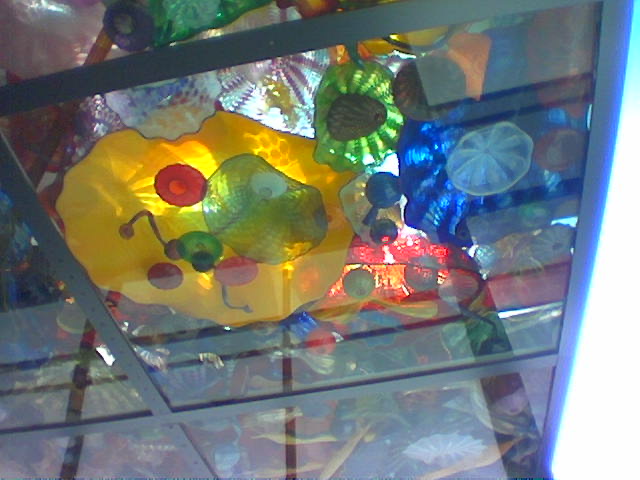
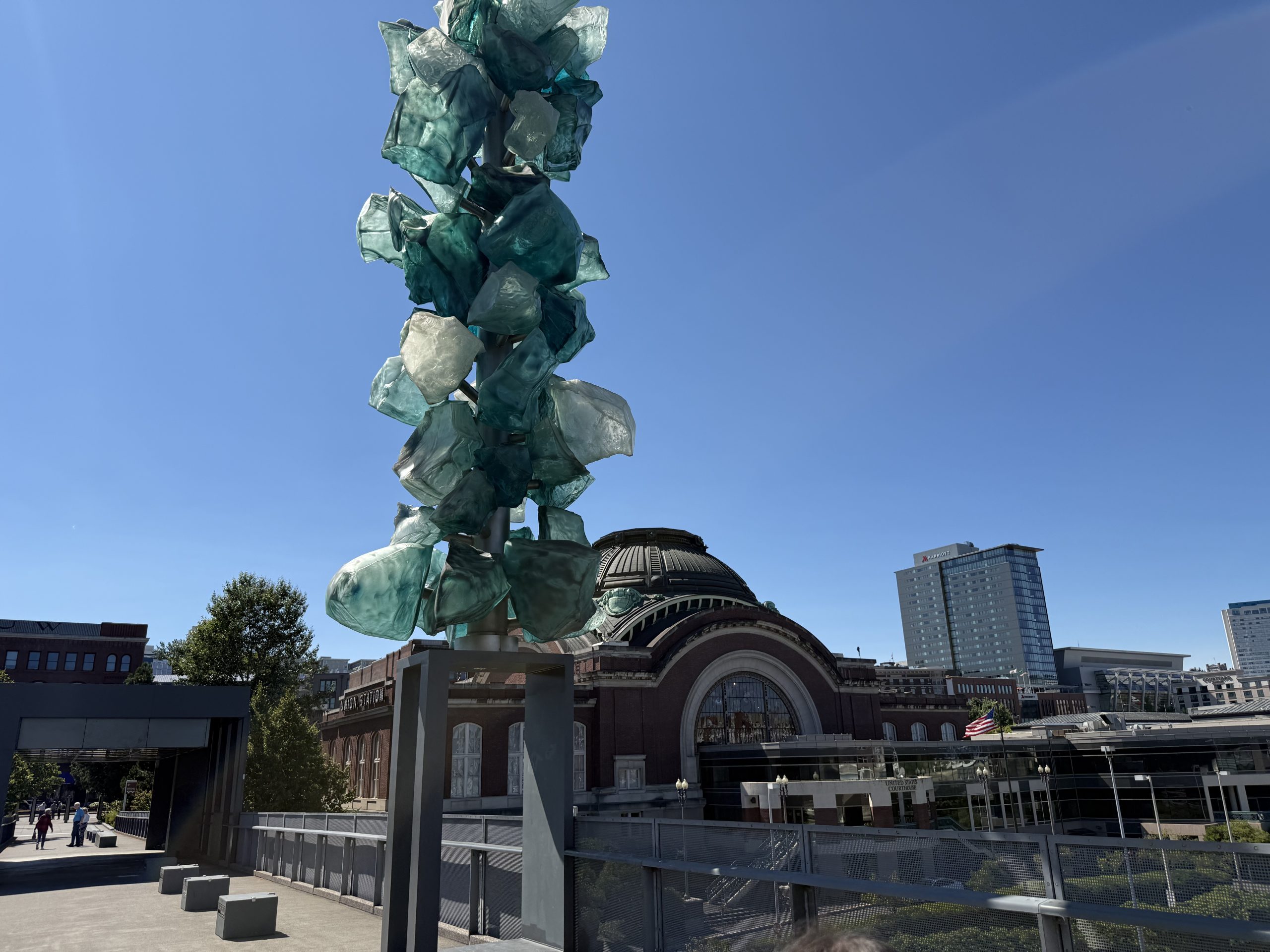
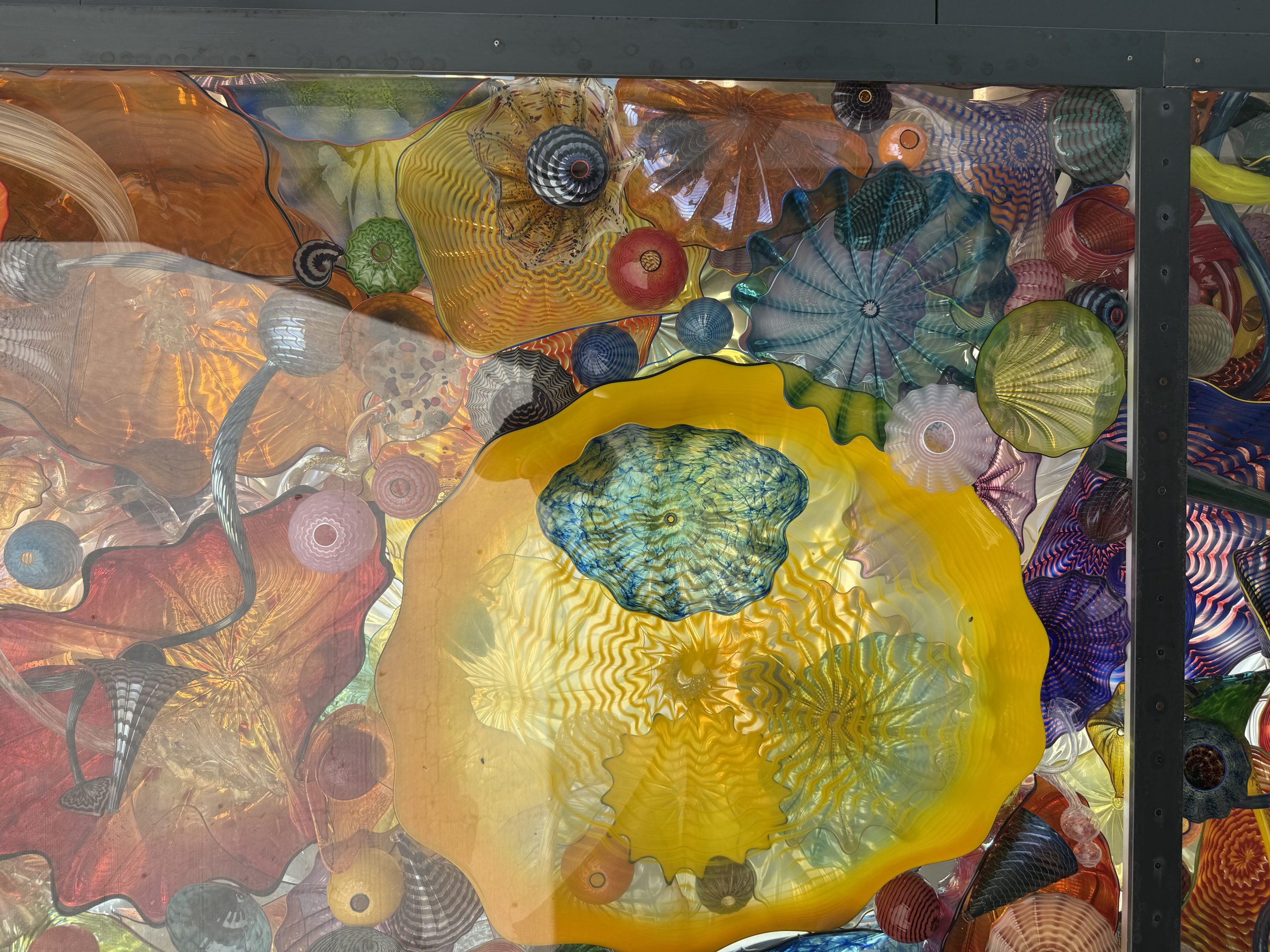
Revisiting the Museum of Glass and Bridge of Glass in Tacoma

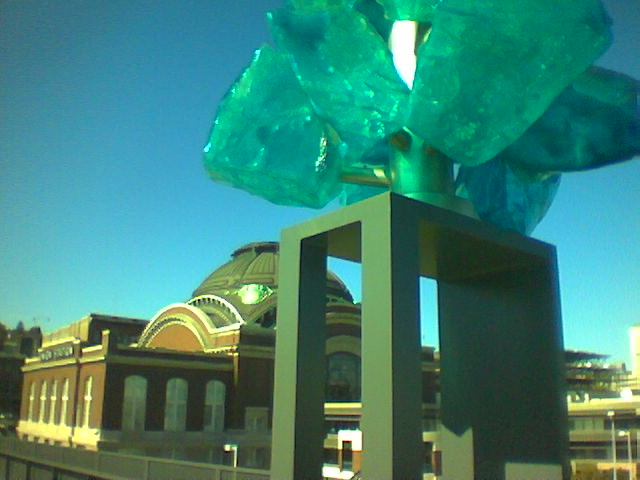
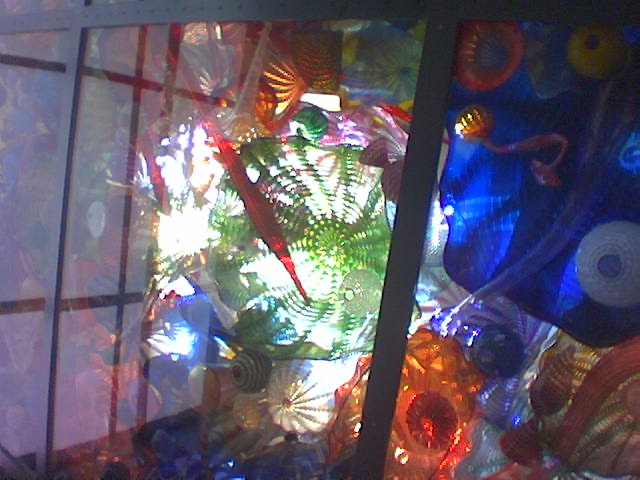
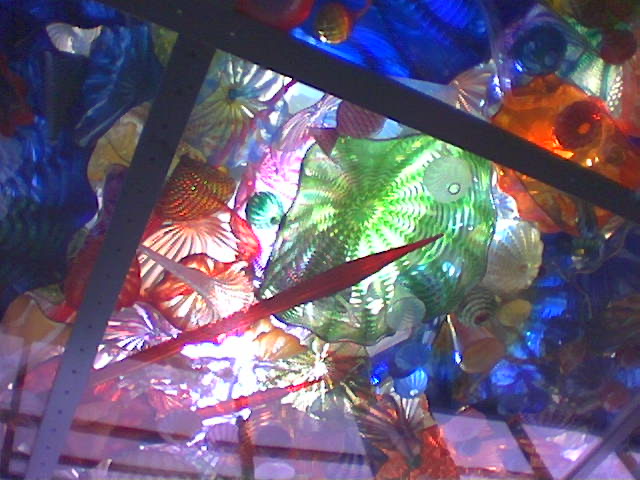
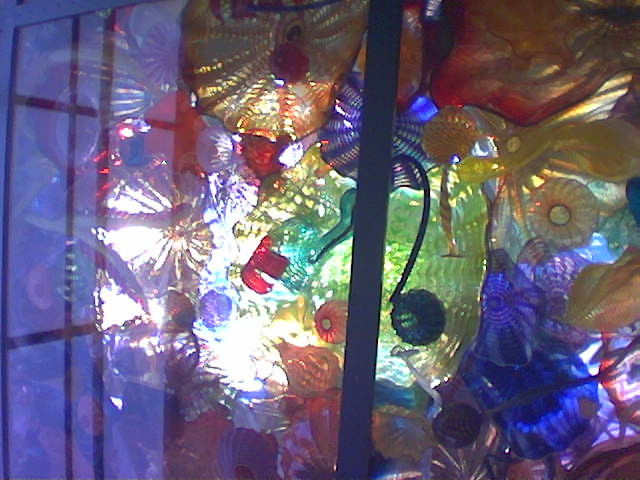
Way back in 2003 and 2004, I wrote about a trip that we took with our friends Charlie and Carie to see the Museum of Glass and pointed to the pictures we took there. That trip started a chain of events that saw me enter an NPR phoneblogging competition and one of my photos published in The Guardian.

Most of that is offline now, but with a little careful archaeology I was able to pull some of the pieces back together and also get some updated photos from our trip yesterday. Here are some of the bits and pieces.

First, the photos from that day. I used to use Mac.com to serve my photo albums before switching to Flickr. Unfortunately you can’t access any of the Mac.com content any more; fortunately it’s all in the photo albums in my Photos app, to this day. So here’s the gallery of the photos that were there.
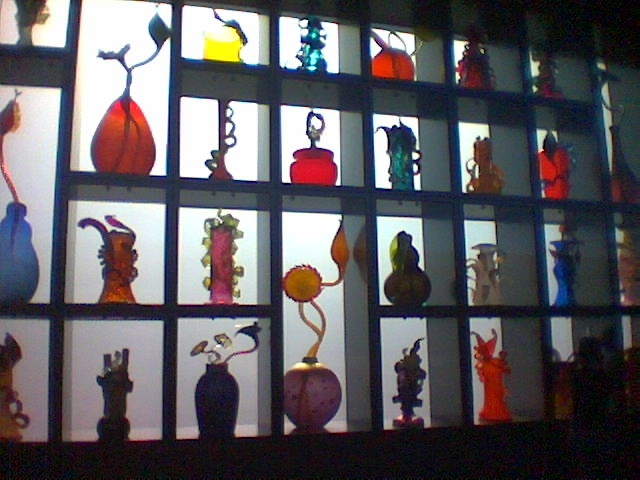
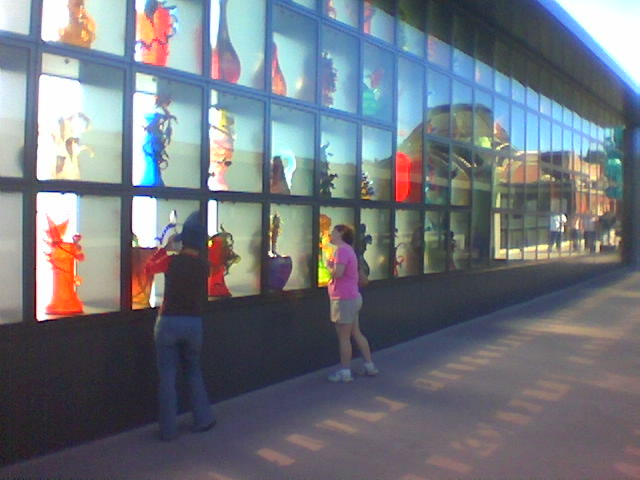
Second, there was the SENT online exhibit of “phonecam art,” which included both a curated portion and a participatory portion (which was run by NPR). On the blog, I announced that I sent some photos from my phonecam, including ones from above. Sadly, SENT no longer exists so you can’t reload the page to see my photos alongside those from Wil Wheaton and Warren Ellis, but you can get the drift by clicking on the link above which takes you to the Internet Archive. The physical exhibit went online July 10, 2004 in Los Angeles. And my photo was selected as a winner in the NPR contest; you can see the winning photos in the archive here, and the NPR episode of “Day to Day” where they discussed my photo is still online. (My photo gets discussed at 2:40.) There was even a spread on the contest in an AT&T magazine (again, rescued by the archives).

In the middle of all of this, the Guardian wrote their article. My photo was never in the online version but Newspapers.com now has the actual print article online; see below.
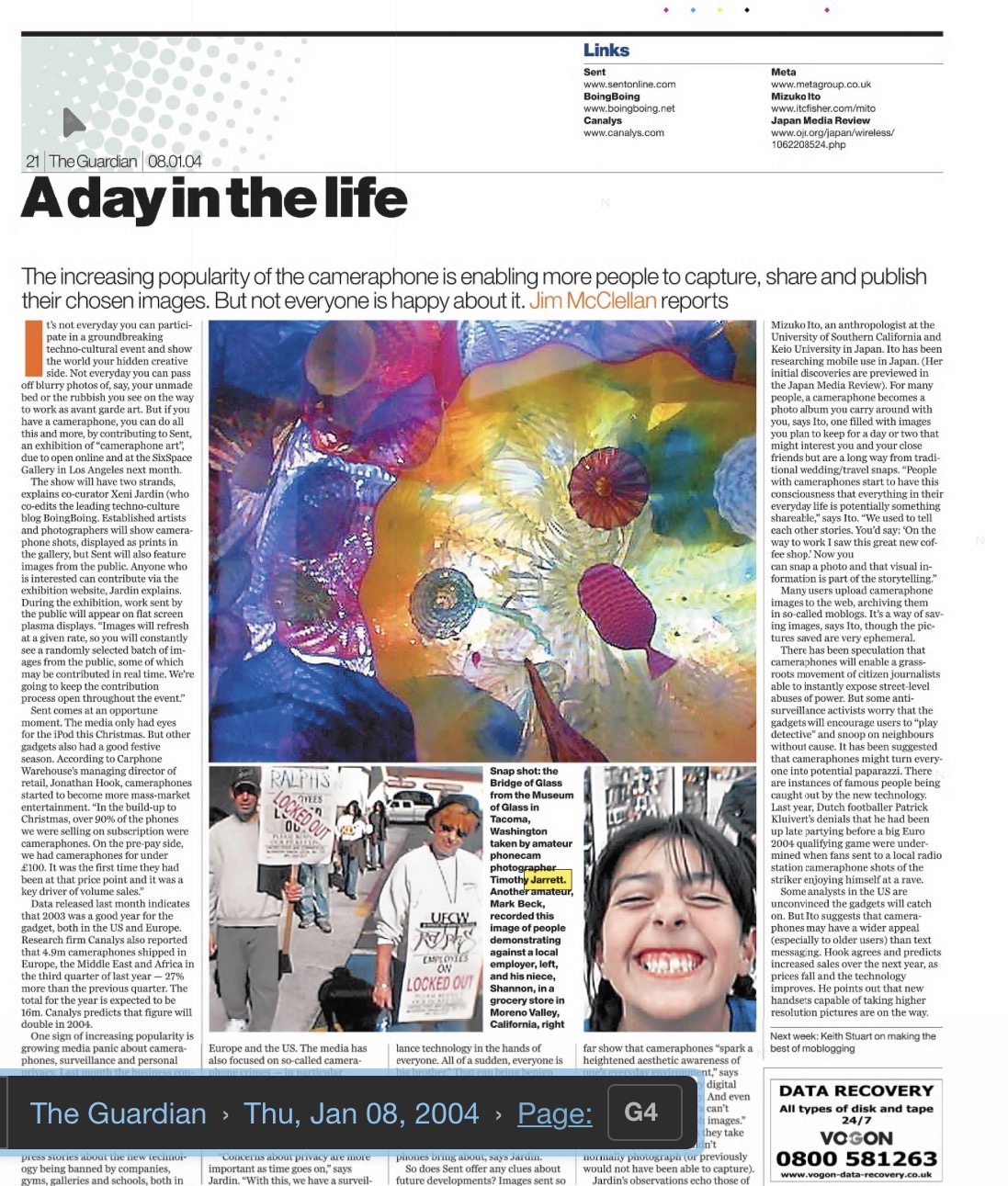
My photo in the print edition of The Guardian, January 8, 2004.

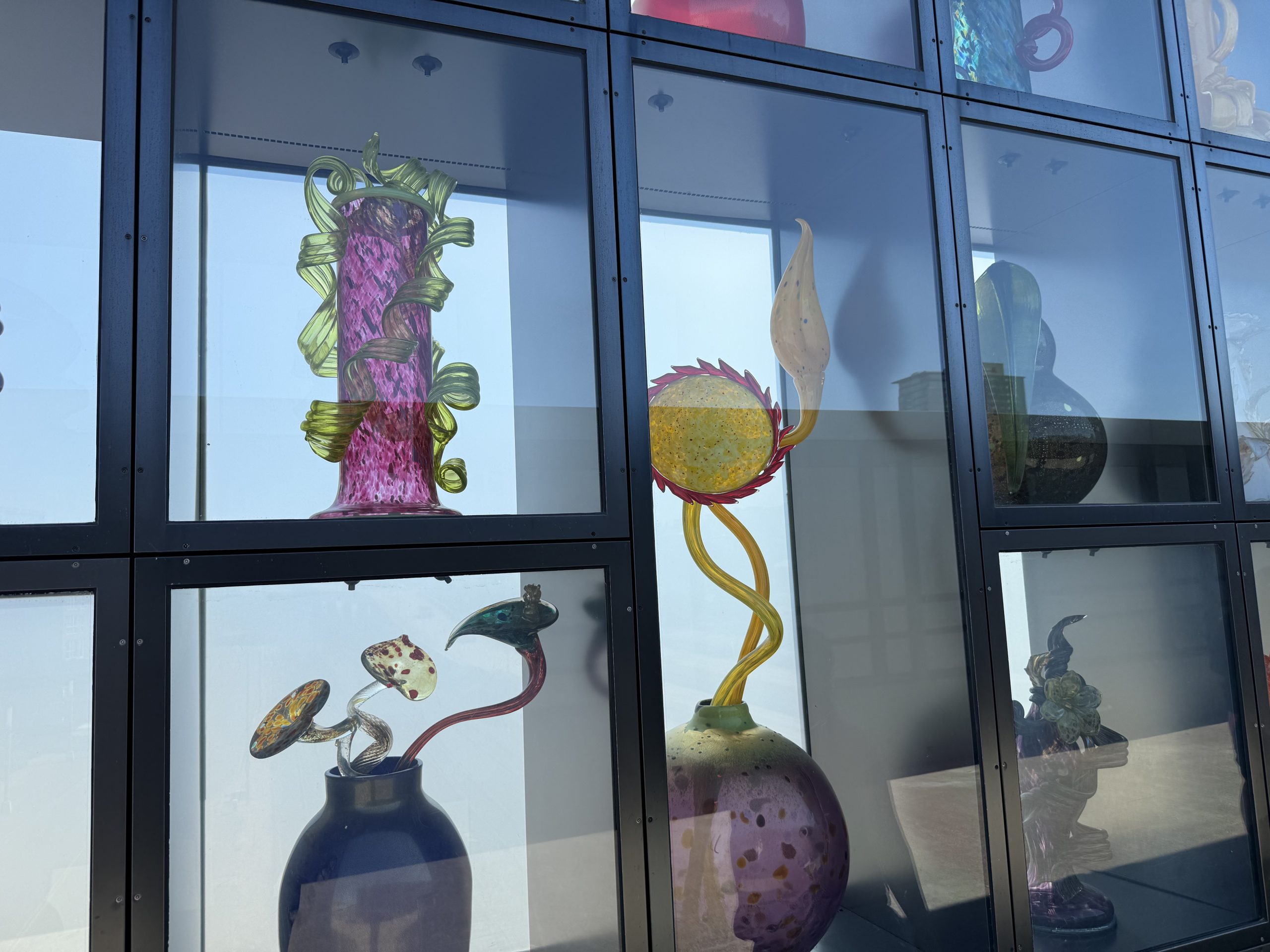
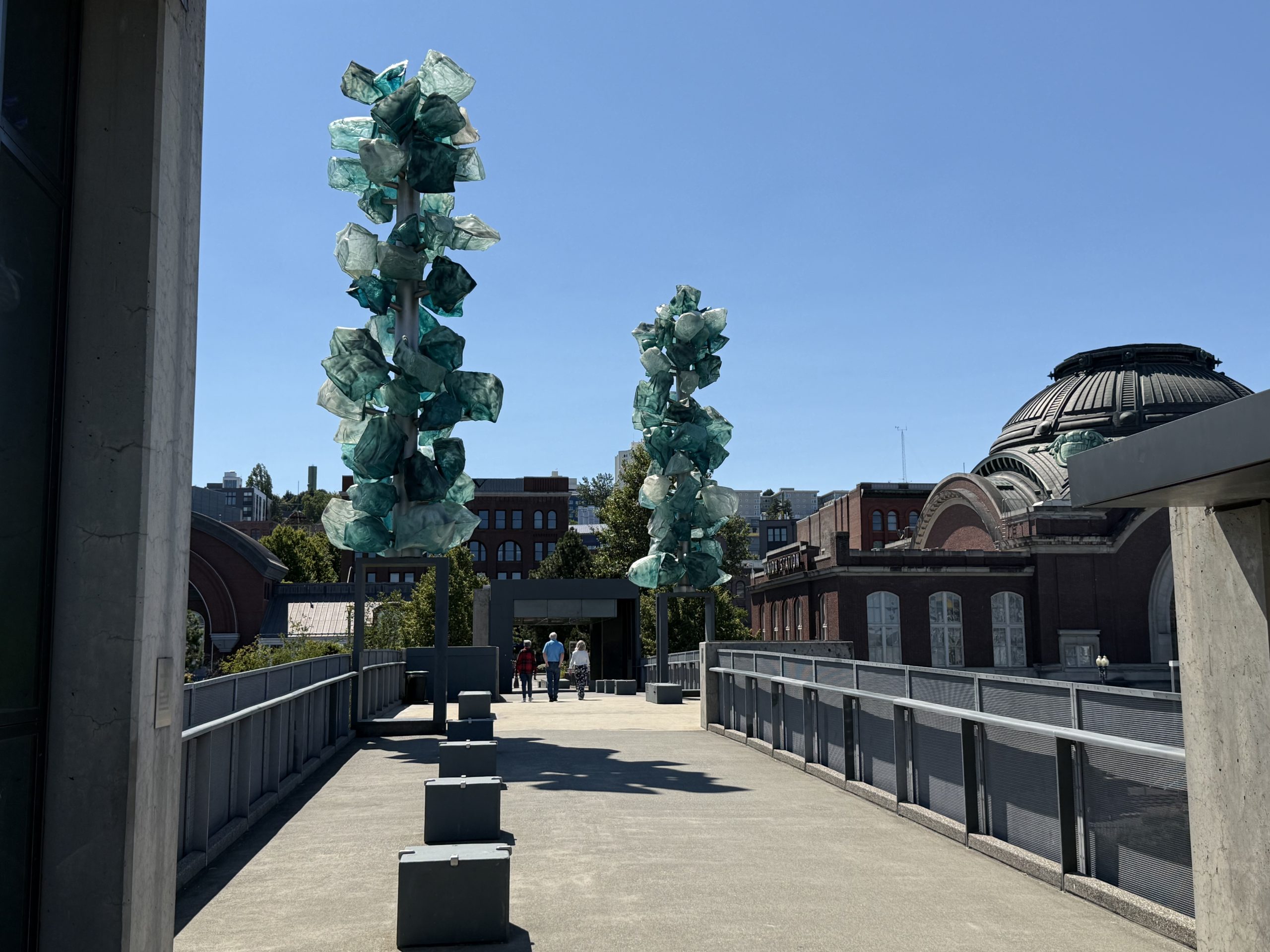
Last but not least, I retook some of the photos from that day when we visited the museum again last month. Amazing to me how the exhibit still has the same impact though the landscape around it has changed.
Nokia + open source Symbian: too little, too late

TechCrunch: Nokia Acquires Symbian – Goes 3. Hear that sound? That’s the sound of Fake Steve Jobs just itching to skewer somebody, but since he’s on vacation I’ll do it instead.

Make no mistake: this is a defensive move by Nokia in response to the iPhone and Android, not an offensive one. Five years ago, an open source OS for smartphones might really have made the market. Now Nokia’s not even calling the tune any more: with Motorola, Samsung and LG eating them away on the low end, and RIM, the Windows Mobile folks, and Apple eating them away on the high end, pretty soon there’s not going to be much left in the middle.

I enjoyed the Symbian phone that I used from 2003 to 2005, but Symbian didn’t move quickly enough with the OS and it became stale. It doesn’t smell any better now. When you have unnamed senior execs inside Nokia calling Symbian a POS, you’ve got problems.

And what about units? Those 291 million handsets you sold in Q1? They’re legacy products. Apple sold 6 million in the iPhone’s first year as a brand new market entrant even without the benefit of enterprise mail integration or independent developers. Now granted, you can sit fat and happy on your 291 million units shipped, or you can reflect on the fact that you shipped 100 million of them in the last 18 months, and the other 100 million are in all likelihood no longer in use since your European customer base replaces its phones every 12 to 25 months, and the US customer base every 17.6. Is your market really still growing, or did you just sell replacement Symbian handsets to your existing customers?

And I haven’t even talked about Android yet–it’s probably a trainwreck, but it’s from Google so it’s going to exert some market pressure on you too.

And your developers are talking crap about the OS, too. And I can’t blame them. Which would you rather write apps for: an OS that’s forked three ways, requires you to use a crippled version of C++ with weird string handling practices and proprietary error handling, and needs a downlevel version of Visual Studio, all of a sudden the iPhone’s development frameworks and XCode look like nirvana.

So, guys: if your competition is a competitor who’s locked up the enterprise and a user centric market innovator, I’m afraid that open sourcing the OS (the POS OS) is not going to save the company. Maybe if there were already a bunch of really talented individual developers working on creating a great mobile experience, but guess what? They’re on Apple’s platform now, not yours.